
Pensacola, Florida: Coastal Living with Historic Roots and Modern Growth
Pensacola, Florida, offers a distinctive blend of Gulf Coast beauty, deep historical roots, and a lifestyle shaped by water, culture, and a strong military presence. Located along the western edge of the Florida Panhandle, the city is known for its sugar-white beaches, emerald-green waters, and relaxed coastal pace. Home to Naval Air Station Pensacola, the area has long been a destination for military families relocating on assignment, supported by established infrastructure, family-oriented neighborhoods, and access to essential services. In recent years, Pensacola has also experienced steady residential growth, with new construction communities offering modern floor plans, energy-efficient features, and low-maintenance living close to schools, employment centers, and major roadways. Residents enjoy waterfront recreation, historic districts, and everyday conveniences without the congestion often associated with larger coastal cities. Whether transitioning into the area or settling in for the long term, Pensacola offers a stable, practical, and welcoming environment.
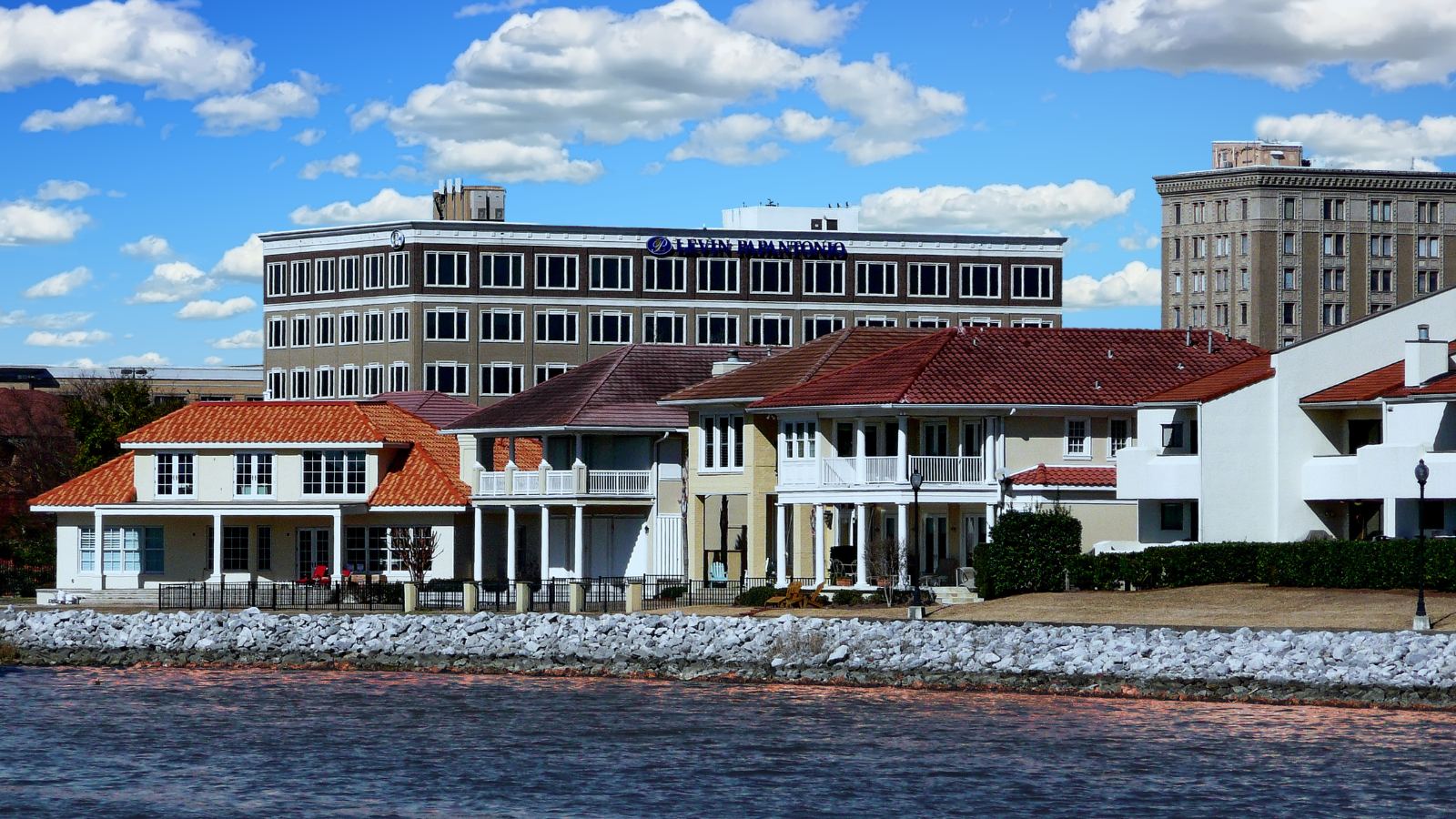
What Is the History of Pensacola, Florida?
Pensacola ranks among the oldest continuously occupied European settlements in the United States, with a documented history extending more than 450 years. First settled by the Spanish in 1559, the area changed hands among Spanish, French, and British powers before officially becoming part of the United States in 1821. This layered past remains visible throughout the city, particularly in its architecture, street layouts, and preserved landmarks. Downtown Pensacola and surrounding historic districts feature homes, churches, and civic buildings that reflect centuries of cultural influence.
The establishment of Naval Air Station Pensacola in the early 20th century marked a defining moment in the city’s development. The base became one of the most important training centers in the U.S. Navy and earned Pensacola the title “Cradle of Naval Aviation.” Its presence brought long-term economic stability, population growth, and infrastructure investment that continue to shape the community today. Neighborhoods expanded to support military personnel and their families, influencing housing demand, school placement, and transportation planning across the city.
As Pensacola evolved through the 20th century, the city diversified beyond its military foundation, growing in healthcare, education, and tourism. Historic preservation has remained a priority while allowing room for modern residential development. Today, new construction communities exist alongside historic neighborhoods, reflecting Pensacola’s ability to honor its past while adapting to the needs of a growing and frequently relocating population.
Homes for Sale
What Is Life Like in Pensacola, Florida?
Life in Pensacola is shaped by its coastal setting, manageable pace, and emphasis on everyday functionality. Residents enjoy year-round access to outdoor activities, including boating and fishing, waterfront walks, neighborhood parks, and organized recreation. The city supports both relaxed living and structured routines, making it especially appealing for households balancing work schedules, school commitments, and relocation timelines.
Downtown Pensacola serves as a cultural and social hub, offering locally owned restaurants, galleries, and seasonal events that encourage connection. For families new to the area, the city’s layout supports predictable commutes, easy access to healthcare, and proximity to shopping and services. Many newer residential developments are designed with modern lifestyles in mind, offering open layouts, energy-efficient construction, and features that reduce maintenance and simplify transitions.
Community involvement plays a strong role in daily life. Schools, churches, youth programs, and neighborhood organizations provide opportunities to build connections quickly. This sense of structure and accessibility helps residents settle in with confidence, whether arriving for a short-term assignment or planning to stay long term.
What Are the Best Neighborhoods in Pensacola, Florida?
Pensacola offers a diverse mix of neighborhoods, each providing a distinct setting, housing style, and lifestyle appeal. From historic districts to areas experiencing new residential development, the city accommodates a wide range of preferences and living needs. Many neighborhoods are well-positioned to support manageable commutes, access to schools and services, and a blend of established homes and newer construction.
East Hill: East Hill is one of Pensacola’s most established neighborhoods, known for its historic homes, tree-lined streets, and walkable layout. Many properties date back to the early 20th century and feature classic architectural details paired with thoughtful modern updates. Residents enjoy close proximity to downtown Pensacola, neighborhood parks, coffee shops, and locally owned dining, making daily routines convenient and enjoyable. East Hill also offers easy access to major roadways, supporting efficient commuting while maintaining a residential feel rooted in character and long-term stability.
Cordova Park: Cordova Park offers a suburban environment with mid-century homes, larger lots, and mature landscaping that gives the neighborhood a well-established presence. The area is centered around parks, walking trails, playgrounds, and recreational facilities, making it popular with households seeking outdoor space and quieter streets. Its central location provides convenient access to shopping centers, medical facilities, and employment corridors. Nearby residential growth has introduced new housing options within a short drive, offering buyers the flexibility to choose modern layouts while remaining close to established amenities.
Scenic Heights: Scenic Heights combines residential comfort with accessibility, featuring a practical layout that supports everyday living. The neighborhood features a mix of housing styles and is close to schools, grocery stores, and essential services. Its central location allows for shorter commute times and easy access to multiple parts of Pensacola. Nearby residential development has expanded housing choices, including newer construction communities that appeal to those seeking updated designs and low-maintenance living.
North Hill: North Hill is a historic neighborhood recognized for its stately homes, brick streets, and strong preservation efforts. Many properties reflect early 1900s architectural styles, creating a distinctive and timeless atmosphere. Residents value the neighborhood’s quieter setting, pride of ownership, and proximity to downtown Pensacola. North Hill appeals to those who appreciate historic charm while still wanting access to modern conveniences, employment centers, and cultural attractions.
Perdido Key Area: Located west of the city, the Perdido Key area offers a coastal residential environment with beach access and waterfront views. Housing options include condos, townhomes, and single-family homes, including newer construction designed for low-maintenance coastal living. This area appeals to residents who prioritize scenic surroundings, outdoor recreation, and contemporary home features, while still maintaining reasonable access to the greater Pensacola area.
Together, these neighborhoods reflect Pensacola’s range of living options, from historic charm to newly built communities designed to support today’s lifestyles.
What Schools and Education Options Are Available in Pensacola?
Pensacola is served by the Escambia County School District, which offers a wide range of public education options across the city. The district includes elementary, middle, and high schools, as well as magnet programs and specialized academies focused on science, technology, the arts, and career readiness. Families often value the availability of choice programs and structured learning paths that support continuity during relocations.
Private and parochial schools also play an important role in the local education landscape. Faith-based and independent schools provide alternative learning environments with smaller class sizes and varied instructional approaches, giving families flexibility when selecting educational settings.
Higher education opportunities are available through Pensacola State College and the University of West Florida. These institutions offer associate, bachelor’s, and graduate programs that support workforce development and long-term planning, allowing many residents to pursue education without leaving the area.
What Is the Weather Like in Pensacola, Florida?
Pensacola enjoys a warm coastal climate that supports year-round outdoor living. The area averages about 220 sunny days per year, receives approximately 65 inches of rainfall annually, and experiences little to no measurable snowfall in most years. Summers are warm and humid, with daytime temperatures commonly reaching the upper 80s to low 90s, moderated by coastal breezes.
Fall brings slightly cooler temperatures, typically in the 70s to low 80s during the day, with lower humidity and comfortable evenings. Winters are mild, with daytime highs often in the 50s and 60s and cooler nights that rarely reach freezing. Spring arrives early, bringing blooming landscapes and increased outdoor activity.
The climate supports consistent routines, outdoor recreation, and community events throughout the year.
How Easy Is Transportation in Pensacola?
Pensacola offers transportation options that support both daily commuting and frequent travel. Interstate 10 connects the city to Mobile, Tallahassee, and other Gulf Coast destinations, making regional travel efficient. Major roadways throughout the city provide direct access between residential neighborhoods, employment centers, schools, and military facilities.
Pensacola International Airport offers nonstop flights to several major U.S. cities and is centrally located, making it convenient for residents who travel regularly or maintain connections outside the region. This accessibility is especially valuable for households with out-of-state family or frequent travel needs.
Locally, the city continues to invest in road improvements, sidewalks, and multi-use paths to support accessibility. Public transportation options include local bus services that provide practical connections across Pensacola. Overall, the transportation network supports convenience, reliability, and continued residential growth.
Are You Ready to Call Pensacola Home?
Pensacola offers a lifestyle shaped by coastal beauty, historic character, and everyday practicality. Its neighborhoods provide variety, its schools support continuity, and its housing options continue to expand through both established communities and new construction. With strong infrastructure, access to major employers, and a long-standing military presence, Pensacola supports residents through both transitions and long-term living. If you are considering a move to the Gulf Coast or exploring housing options that align with your needs, reach out to me to learn more about Pensacola and its neighborhoods.