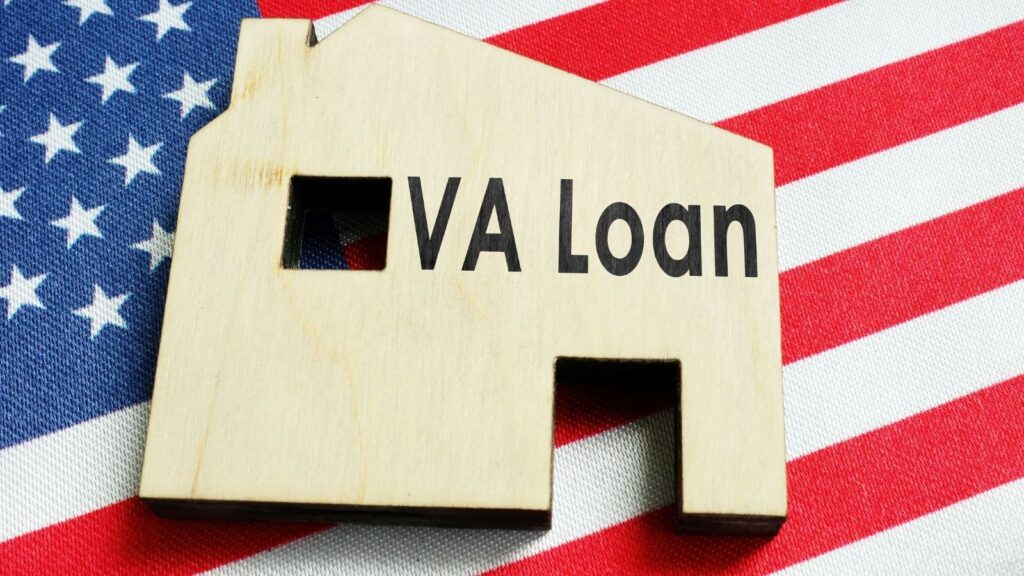
Buying a home with a VA loan offers eligible service members, veterans, and surviving spouses a powerful opportunity to become homeowners with flexible terms and long-term affordability. This benefit was designed to remove common barriers to homeownership, including large down payments and private mortgage insurance, while still supporting responsible borrowing. A VA loan can be used for a wide range of properties, from existing homes to new construction, making it a practical option in many markets. Understanding how the program works, what steps to take, and how to avoid common missteps helps buyers make the most of this earned benefit. With the right preparation, a VA loan can support a smooth purchase experience and provide lasting financial stability.
What Is a VA Loan and Who Is Eligible to Use One?
A VA loan is a mortgage program backed by the U.S. Department of Veterans Affairs that helps eligible buyers purchase a primary residence with favorable terms. Eligibility is based on service history, including active duty service members, veterans, National Guard members, reservists, and certain surviving spouses. The program was created to expand access to homeownership and reduce financial strain for those who have served. One of its defining features is the ability to buy a home with no down payment in most cases, which can significantly shorten the path to ownership. Another key benefit is the absence of private mortgage insurance, which lowers monthly payments compared to many conventional loans.
To use a VA loan, buyers must obtain a Certificate of Eligibility (COE). This document confirms eligibility and entitlement amount and is typically requested through a lender or the VA portal. Eligibility requirements vary depending on service dates and length of service, but many buyers qualify even if they are unaware of it. Credit requirements are generally more flexible than conventional loans, though lenders still evaluate credit history and income stability. The home must be intended as a primary residence; investment properties and vacation homes are not eligible.
VA loans can be used multiple times, as long as sufficient entitlement remains or entitlement is restored after selling or refinancing a previous VA-financed home. This makes the program useful for buyers who move frequently, including military families relocating due to orders. Understanding eligibility early helps buyers plan confidently and move forward without unnecessary delays.
How Does a VA Loan Help You Buy with Little or No Money Down?
A VA loan helps buyers purchase a home with little or no money down by removing one of the largest upfront hurdles in real estate. In most cases, eligible buyers can finance up to 100% of the purchase price, allowing savings to be preserved for other costs or future needs. This feature is especially helpful for buyers with stable income but limited cash reserves due to frequent moves or recent transitions. By eliminating a down payment requirement, the VA loan opens doors that may otherwise remain closed.
VA loans require no down payment and no private mortgage insurance. Conventional loans with low down payments typically include PMI, which increases monthly costs without building equity. The absence of PMI means lower monthly payments and improved affordability over time. Buyers may still choose to make a down payment if they wish, but it is not required as a condition of approval. This flexibility allows buyers to tailor their financial approach to their comfort level and long-term goals.
Closing costs still apply, including lender fees, appraisal costs, and prepaid items such as taxes and insurance. However, VA guidelines limit what lenders can charge, and some fees are prohibited entirely. Sellers may contribute toward closing costs, further reducing out-of-pocket expenses. In some situations, buyers may also roll the VA funding fee into the loan amount. The funding fee helps support the program and varies based on service type, down payment amount, and prior VA loan use. Some buyers, including those with service-connected disabilities, may be exempt.
By reducing upfront and ongoing costs, a VA loan makes homeownership more accessible while maintaining responsible lending standards.
What Types of Homes Can You Buy with a VA Loan?
VA loans can be used to purchase a variety of home types, as long as the property meets program guidelines and will be used as a primary residence. Eligible properties include single-family homes, townhomes, and certain condominiums that the VA approves. Buyers can also use a VA loan to purchase a multi-unit property with up to four units, provided they live in one of the units full-time. This option can support long-term housing flexibility while still meeting occupancy requirements.
New construction homes are also eligible under the VA loan program, though the process may include additional steps. Builders and lenders must follow VA guidelines, and inspections are typically required throughout construction. This option appeals to buyers who want modern layouts, energy efficiency, and lower maintenance costs. Manufactured homes may qualify in some cases, but they must meet specific criteria related to foundation, classification as real property, and local regulations. Condominiums must be on the VA-approved list, which can be verified early in the search to avoid complications later.
The property must meet the VA’s Minimum Property Requirements, also known as MPRs. These standards ensure the home is safe, structurally sound, and sanitary. Issues such as roof condition, heating systems, electrical safety, and water access are reviewed during the appraisal. While these requirements protect buyers, they can sometimes require repairs before closing. Understanding this early helps buyers set realistic expectations and choose properties that align with VA standards.
VA loans are not available for vacation homes, investment properties, or rentals. The focus remains on stable, owner-occupied housing. Knowing which homes qualify helps buyers narrow their search efficiently and avoid delays during the contract phase.
How Does the VA Appraisal and Inspection Process Work?
The VA appraisal is a required step designed to protect both the buyer and the lender by confirming the home’s value and condition. Unlike a standard appraisal, the VA appraisal also checks that the property meets Minimum Property Requirements. These requirements focus on safety, habitability, and basic structural integrity rather than cosmetic features. The appraiser evaluates comparable sales to determine fair market value while also noting any conditions that must be addressed before closing.
If the appraisal comes in at or above the purchase price, the transaction can move forward as planned. If the value is lower than the agreed price, buyers have options. These may include renegotiating the price, requesting a value reconsideration, or bringing additional funds to closing, though the latter is less common with VA loans. Repairs required by the appraisal must typically be completed before closing, and the appraiser may return to confirm completion.
A home inspection is separate from the appraisal and is strongly recommended, though not required by the VA. An inspection provides a more detailed review of the home’s systems and components, including plumbing, electrical, HVAC, and appliances. This information helps buyers understand maintenance needs and potential future costs. Inspections can also support repair negotiations that go beyond VA minimum standards.
The VA process is structured but manageable with good communication and realistic timelines. Working with professionals familiar with VA transactions helps prevent surprises and align expectations. Understanding the differences between appraisal and inspection roles helps buyers approach the process with clarity and confidence.
What Are the Steps to Using a VA Loan from Start to Finish?
Using a VA loan follows a clear sequence that begins with preparation and ends with closing. The first step is confirming eligibility and obtaining a Certificate of Eligibility. This document verifies entitlement and is often secured quickly through a lender. Next, buyers typically seek preapproval, which involves reviewing income, credit, and debts to determine a comfortable price range. Preapproval strengthens offers and helps focus the home search.
Once preapproved, buyers can begin touring homes that meet VA guidelines and personal needs. After selecting a property, an offer is submitted and negotiated. When the offer is accepted, the loan application moves into processing. During this phase, the lender orders the VA appraisal, collects documentation, and verifies information. Buyers may be asked for updated pay stubs, bank statements, or explanations of credit items.
After the appraisal is completed and any required repairs are addressed, the loan enters underwriting. The underwriter reviews the full file to ensure VA and lender requirements are met. Once approved, a closing date is scheduled. At closing, buyers sign final documents, pay any remaining closing costs, and receive keys to their new home. The VA loan then transitions into repayment, with no private mortgage insurance and competitive interest terms.
Throughout the process, communication and responsiveness help prevent delays. Understanding each step reduces uncertainty and allows buyers to plan confidently. With proper preparation, the VA loan process can be smooth, predictable, and rewarding.
How Can You Strengthen Your Offer When Using a VA Loan?
Strengthening an offer with a VA loan starts with solid preparation and clear communication. A strong preapproval letter shows sellers that financing is reliable and already underway. Including proof of funds for closing costs or reserves can further reassure sellers, even when no down payment is required. Flexible closing timelines may also appeal to sellers with specific moving needs.
Clear contract terms matter. Avoiding unnecessary contingencies and responding quickly to requests can keep the transaction moving. While VA loans include certain protections, buyers can still present competitive offers by understanding local market conditions and pricing appropriately. In some cases, offering to cover certain allowable costs or adjusting timelines can make an offer stand out without compromising financial safety.
Education also plays a role. Some sellers are unfamiliar with VA loans and may have outdated assumptions. Working with professionals who can clearly explain the process helps address concerns early. When sellers understand that VA loans are fully underwritten and backed by a federal guarantee, confidence often increases.
A thoughtful approach, combined with strong documentation and realistic terms, helps VA buyers compete successfully. Preparation and clarity often matter more than loan type alone.
What Common Mistakes Should VA Buyers Avoid?
One common mistake is waiting too long to confirm eligibility or seek preapproval. Early preparation prevents last-minute delays and strengthens offers. Another misstep is overlooking the importance of the VA appraisal standards. Choosing properties unlikely to meet Minimum Property Requirements can result in avoidable complications or contract cancellations.
Some buyers underestimate closing costs or assume everything is covered. While VA loans reduce many expenses, planning for the remaining costs helps avoid surprises. Skipping a home inspection is another risk. Inspections provide valuable insight beyond VA requirements and support informed decisions.
Communication gaps can also create challenges. Prompt responses to lender requests and repair coordination keep the timeline intact. Avoiding these common issues helps ensure a smoother purchase experience and better long-term satisfaction.
How Does Using a VA Loan Affect You After Closing?
After closing, VA loan benefits continue to support affordability and stability. Monthly payments are often lower because there is no private mortgage insurance. Competitive interest rates can further improve long-term costs. Homeownership also builds equity over time, supporting future financial flexibility.
VA loans offer refinancing options, including the Interest Rate Reduction Refinance Loan, which can lower rates with minimal documentation. Entitlement may be restored after a sale or refinance, allowing future use of the benefit. Understanding post-closing options helps buyers plan ahead.
Owning a home with a VA loan provides both immediate and lasting advantages. With responsible budgeting and maintenance, the benefit continues to serve long after move-in day.
Are You Ready to Use Your VA Loan to Buy a Home?
Using a VA loan is a meaningful way to turn service into long-term stability through homeownership. With features like no down payment, no private mortgage insurance, and flexible guidelines, the program removes many traditional barriers while still promoting responsible borrowing. Success comes from understanding eligibility, choosing the right property, and working through each step with preparation and clarity. Whether purchasing a first home, relocating, or considering new construction, the VA loan offers adaptable options that fit a wide range of needs. When you are ready to explore your options and take the next step toward buying a home with your VA loan, reach out to me for guidance and support throughout the process.